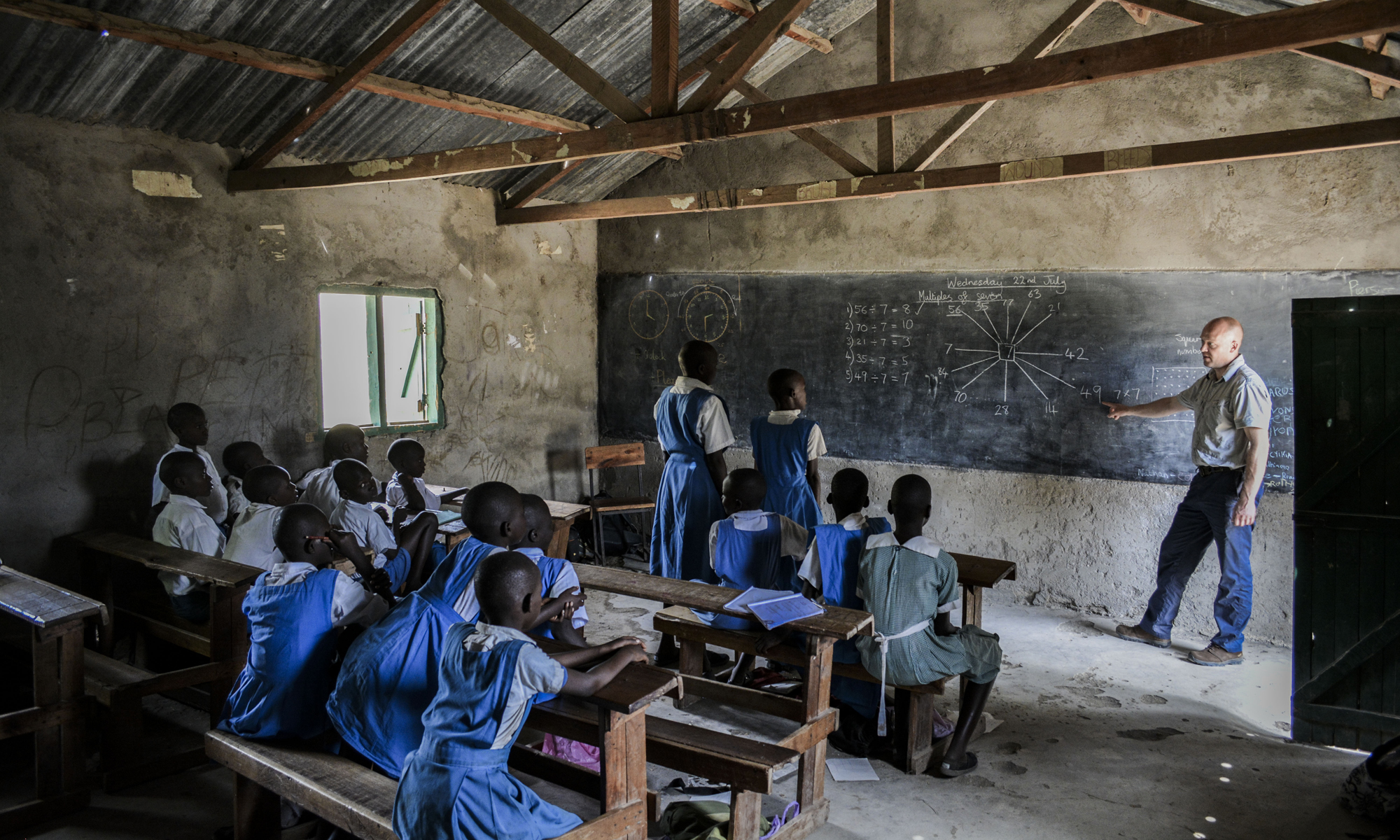
From their base in Northumberland, Development Direct cultivates sustainable global partnerships that result in mutual learning and benefits, with a focus on health and education for children, families and communities. Through peer education, local communities and schools help to promote health programmes in the UK and developing countries.
Children can be health promoters. By using the child to child approach, children can disseminate important health messages. Health issues are of global concern and linking children through health projects generates novel ways to solve universal problems. Linking children across the world teaches them to appreciate similarities and be curious about different cultures. School linking helps children to develop relationships that combat prejudice and discrimination.